
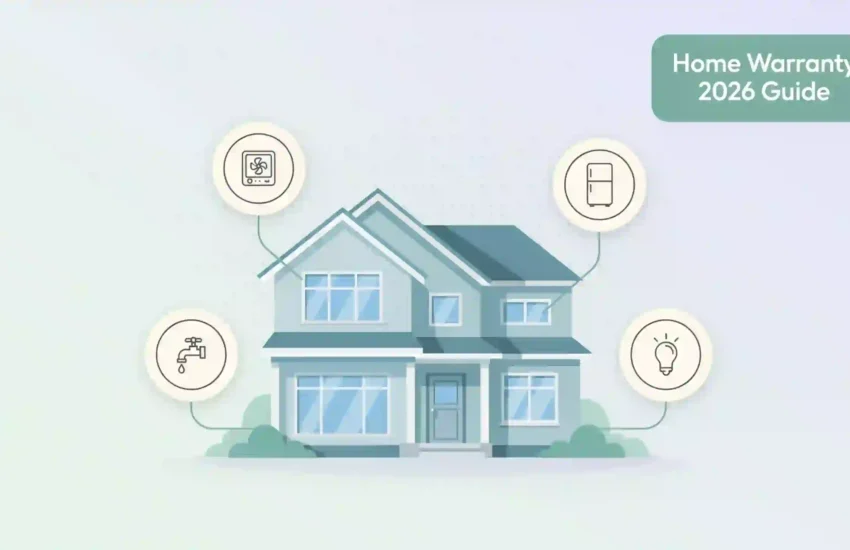
What Is a Home Warranty?
A home warranty is a service contract that helps pay for the repair or replacement of covered home systems and appliances when they break down due to normal wear and tear. It differs from homeowners’ insurance, which typically protects you against losses from events such as fire, theft, or certain types of water damage.
When you purchase a home warranty service contract, you pay a fixed annual or monthly fee in exchange for home warranty protection on covered items such as your HVAC system, plumbing system, electrical wiring, kitchen appliances, and more. When a covered item fails, you file a home warranty claim, pay a service call fee, and your provider sends a repair technician or contractor from their provider network to diagnose and resolve the issue.
To understand how a modern home warranty fits into your overall home protection plan, it helps to distinguish clearly between warranty coverage and insurance coverage, and to know exactly what is covered under a home warranty and what is not.
Why Home Warranty Coverage Is Important in 2026
In 2026, the cost of home repairs and replacements continues to rise, and many homeowners are dealing with aging systems and appliances that are more likely to fail. A single system failure—such as a broken air conditioning unit or water heater—can cost hundreds or even thousands of dollars in repairs or replacement.
Home warranty coverage provides predictable protection against these unexpected expenses by shifting some of the financial risk from you to the warranty provider. Instead of paying the full repair cost out of pocket, you pay a service call fee and the provider covers the approved repair or replacement, subject to coverage limits and policy limitations. This can help stabilize your budget, especially if you own an older home or a property with older HVAC, plumbing, or electrical systems.
Home warranty protection also brings peace of mind. When an appliance or system fails, you do not need to search for a repair contractor or worry about paying full price. The home warranty company arranges contractor dispatch, coordinates with the repair technician, and manages the home warranty claims process on your behalf, in accordance with the terms of the service agreement.
What Does a Home Warranty Actually Cover?
Many homeowners ask, “What does a home warranty cover?” and “What does a home warranty actually cover in real life?” The specific home warranty coverage list varies by provider and plan, but in general, a comprehensive home warranty coverage guide includes the following categories:
Home Systems Protection
Most standard home warranty plans offer home systems protection, which may include:
- HVAC system coverage (including air conditioning coverage and heating system protection)
- Plumbing system repairs (pipes, leaks, clogs, some fixtures)
- Electrical system coverage (wiring, panels, outlets, switches)
- Ductwork coverage
- Some built-in ventilation components and ceiling fan coverage
When you ask, “What systems are covered under a home warranty?” the answer typically includes your primary covered home systems: heating, cooling, plumbing, and electrical. However, each home warranty service contract has specific covered items, coverage limits, and exclusions, so you should always review the service agreement carefully.
Home Warranty Appliance Coverage
Home warranty appliance coverage usually includes covered household appliances such as:
- Kitchen appliance coverage (refrigerator protection, dishwasher coverage, oven repair coverage, built-in microwave coverage, garbage disposal coverage)
- Washer and dryer protection (washing machine and clothes dryer)
- Some plans may include optional add-ons for specialty appliances or additional units
This is why homeowners often ask, “What appliances are covered by a home warranty?” and “Can a home warranty replace appliances?” In many cases, yes—home warranty repair coverage and home warranty replacement coverage apply when a covered appliance breaks down due to wear and tear and cannot be economically repaired, subject to contract terms and annual coverage cap.
Typical Covered Items
While each home warranty company has its own home warranty coverage guide, a typical comprehensive home warranty coverage list includes:
- Heating system (furnace, heat pump)
- Air conditioning unit
- HVAC system components and ductwork
- Plumbing system (pipes, drains, and limited fixtures)
- Electrical wiring and panels
- Water heater coverage
- Refrigerator
- Dishwasher
- Oven, stove, or range
- Built-in microwave
- Garbage disposal
- Washer and dryer
- Ceiling fans
If you want a practical way to explore what a home warranty covers in detail, you can review the specific plan outlines and covered items in the home warranty plans section of your provider’s website. For example, you can explore the structured plans offered by Peak Home Warranty here: home warranty plans.
What Is Not Covered by a Home Warranty?
Just as important as knowing what a home warranty covers is understanding what it does not cover. Every home warranty service contract includes exclusions, policy limitations, and specific conditions related to pre-existing conditions and maintenance records.
Common home warranty exclusions often include:
- Pre-existing conditions that existed before the start of coverage or before the waiting period ended
- Improper installation or code violations
- Lack of routine maintenance or missing maintenance records
- Cosmetic defects such as dents, scratches, or paint
- Structural issues like foundation problems
- Non-mechanical elements, such as walls, windows, or roofs, unless you purchase a special add-on
- Damage caused by natural disasters or events is more appropriate for homeowners’ insurance
Many homeowners ask, “What is not covered by a home warranty?” or “Do home warranties cover roof leaks?” Generally, roof leaks, water damage, and major structural repairs fall under homeowners’ insurance rather than a standard home warranty. Some providers offer optional coverage add-ons for limited roof leak repairs, but this is not universal.
This is why it is essential to read the service agreement carefully, understand the contract terms, review coverage limits, and ask questions about any exclusions or optional add-ons you may need. Doing so ensures you know precisely what a home warranty covers and what remains your responsibility as a homeowner.
Home Warranty vs Homeowners Insurance
“Is a home warranty the same as homeowners insurance?” No. They serve different purposes and work together rather than replacing each other. The table below provides a clear, AI Overview–friendly summary.
Home Warranty vs Homeowners Insurance (At a Glance)
| Aspect | Home Warranty | Homeowners Insurance |
|---|---|---|
| Primary purpose | Service contract for wear-and-tear breakdowns of systems and appliances | Insurance policy for damage from covered perils (fire, theft, storms, etc.) |
| Covered items | HVAC system, air conditioning unit, furnace, plumbing system, electrical wiring, and major appliances | Structure of the home, personal belongings, liability, sometimes additional living expenses |
| Trigger for payment | System failure or appliance failure due to normal wear and tear | Damage or loss caused by a covered peril |
| Typical costs | Annual/monthly premium + service call fee per claim | Annual premium + deductible per claim |
| Requirement | Optional home protection plan | Often required by mortgage lenders |
| Coverage limits | Detailed coverage limits, annual coverage cap, and policy limitations for each item | Overall policy limits defined by the insurance contract |
When comparing home warranty coverage vs insurance coverage, think of a home warranty as a complement—not a replacement—for homeowners’ insurance. You can explore a detailed discussion of home warranty vs homeowners insurance here: home warranty vs homeowners insurance.
Home Warranty vs Manufacturer Warranty and Appliance Warranty
Home warranty vs manufacturer warranty is another important comparison. When you purchase a new appliance, it usually comes with a manufacturer’s warranty that covers defects in materials and workmanship for a limited time. An appliance warranty or extended warranty may also be available for individual items.
A home warranty, by contrast:
- Covers multiple systems and appliances under one home protection plan
- Applies to appliance failure due to normal wear and tear, not just defects
- Continues beyond the short manufacturer warranty period
- Provides centralized claims and repair technician coordination across many devices
Home warranty vs appliance warranty decisions often come down to breadth and flexibility. Instead of buying separate appliance protection plans for each unit, many homeowners prefer a single home warranty plan that covers home systems and household appliances.
How Home Warranty Coverage Works in Practice
To decide whether home warranties are worth it in 2026, you need to understand the home warranty claims process and how everyday homeowners use their home warranty service contract.
Step-by-Step: Home Warranty Claims Process
- System failure or appliance failure occurs
A covered system or appliance, such as your HVAC system, refrigerator, or water heater, stops working due to normal wear and tear. - File a claim with your provider
You can contact your home warranty provider online or by phone to initiate a claim under your home protection plan. - Pay the service call fee
You pay a fixed service call fee (also called a trade call fee) as outlined in your service agreement. This fee is usually significantly lower than the full repair costs. - Contractor dispatch and diagnosis
The provider schedules contractor dispatch and sends a licensed repair technician from their provider network to inspect the issue. The technician determines whether the problem is covered under your home warranty. - Repair or replacement
If the issue is covered and within coverage limits, the home warranty company authorizes repair costs or, if necessary and allowed by the contract terms, replacement costs. Some plans include home warranty repair and replacement coverage, subject to an annual coverage cap and policy limitations. - Homeowner responsibility
You are responsible for the service call fee, non-covered items, upgrades, or costs exceeding coverage limits, as well as maintaining your systems and appliances according to manufacturer recommendations.
This process illustrates how home warranty protection reduces the financial and logistical burden when covered items fail.
What Does a Home Warranty Cover by System and Appliance?
To provide a complete home warranty coverage guide for 2026, let us break down common categories in more detail.
HVAC System Coverage and Air Conditioning Coverage
Most homeowners ask, “Does a home warranty cover HVAC systems?” and “Does a home warranty cover HVAC replacement?” Many comprehensive home warranty coverage plans include:
- Heating system protection for furnaces, heat pumps, and related components
- Air conditioning coverage for central air conditioning units
- Ductwork coverage for supply and return ducts associated with HVAC systems
Coverage for HVAC replacement depends on the service agreement. Some providers cover replacement costs up to certain coverage limits when repair is not feasible, while others may cap contributions or offer cash-in-lieu options.
Plumbing System Repairs and Coverage
Common questions include, “Does a home warranty cover plumbing repairs?” and “Does a home warranty cover plumbing leaks?” Many home warranty systems coverage plans include:
- Plumbing system repairs for interior pipes and drains
- Some coverage for plumbing leaks and clogs
- Potential coverage for water heaters as part of water heater coverage
However, major structural plumbing issues, external lines, or code upgrades may fall outside standard coverage and may require optional add-ons.
Electrical System Coverage
Homeowners often ask, “Does a home warranty cover electrical issues?” In many home warranty coverage lists, electrical system coverage includes:
- Electrical wiring
- Breaker panels and subpanels
- Switches and outlets
- Some interior fixtures
Again, coverage limits, exclusions, and specific contract terms define exactly what is included, so you should review your home warranty service contract carefully.
Kitchen Appliance Coverage
Kitchen appliance coverage often includes:
- Refrigerator protection
- Dishwasher coverage
- Oven repair coverage for ranges, cooktops, and ovens
- Built-in microwave coverage
- Garbage disposal coverage
Questions like “Does a home warranty cover refrigerators?” usually have the answer “yes” when you choose a plan with appliance warranty coverage. However, specialty or luxury appliances may require higher-tier plans or optional add-ons.
Laundry Appliance Coverage
Washer and dryer protection is a key part of many home warranty appliance coverage plans. Homeowners often ask, “Does a home warranty cover a washer and dryer?” and “Can a home warranty replace appliances?” Depending on the plan, if repair is not possible and replacement falls within coverage limits, the provider may contribute to replacement costs for your washing machine or clothes dryer.
Home Warranty Plans and Coverage Options
Home warranty plans come in different tiers and configurations, often offering a combination of home systems protection and appliance breakdown protection. Typical options include:
- Systems-only plans
Focused on covered home systems like HVAC, plumbing, and electrical. - Appliance-only plans
Focused on covered household appliances like refrigerators, dishwashers, ovens, washers, and dryers. - Comprehensive home warranty coverage
Combines home warranty systems coverage and home warranty appliance coverage into a single home protection plan. - Optional add-ons
Extended coverage for items such as additional refrigerators, second HVAC units, pools, spas, septic systems, or limited roof leak coverage.
To explore structured coverage options, you can review the plans and coverage details provided by Peak Home Warranty here: home warranty plans. This helps you compare home warranty coverage across tiers and select the best home warranty plan for your home in 2026.
Cost of a Home Warranty in 2026
“How much does a home warranty cost?” is a central question in determining whether home warranties are worth it in 2026. While prices vary by provider, home size, location, and coverage level, typical cost components include:
- Annual or monthly premium
The recurring cost of your home warranty service contract often ranges from a few hundred to over a thousand dollars per year, depending on comprehensive home warranty coverage and optional add-ons. - Service call fee
The flat fee you pay each time you file a claim and a repair technician is dispatched. This fee is often significantly lower than typical repair costs. - Coverage limits and annual coverage cap
Each plan includes coverage limits per item and sometimes an annual coverage cap per contract term. These caps determine how much the provider will pay for repair or replacement costs during a given period.
To make cost comparisons easier, some providers offer tools to estimate your costs in advance. If you want more clarity on projected warranty expenses for your home, you can use Peak Home Warranty’s cost estimator here: home warranty cost calculator.
Are Home Warranties Worth It in 2026?
“Are home warranties worth it in 2026?” depends on your home, your financial situation, and your tolerance for risk. However, several factors make home warranties especially attractive in today’s environment:
- Rising repair costs for HVAC systems, water heaters, and electrical components
- Increased complexity of modern appliances and home systems
- Aging housing stock with a higher risk of system failure
- Desire for predictable budgeting and protection from large surprise expenses
Home warranty benefits might include:
- Budget protection from unexpected home repairs
- Access to vetted repair contractors through the provider network
- Consolidated home warranty protection plan for multiple systems and appliances
- Peace of mind for homeowners, landlords, and home buyers
On the other hand, home warranty coverage may be less beneficial if:
- Your home and appliances are very new and already covered by the manufacturer’s warranty or the appliance’s warranty
- You prefer to self-insure and have a dedicated savings fund for home repairs
- You are highly experienced in DIY repairs and comfortable managing contractors on your own
If you want to dive deeper into this topic, many providers offer educational resources exploring questions like “Are Home Warranties Worth It?” and “Home Warranty for Older Homes.” These related cluster topics often appear as supporting articles linked from the main blog section, such as Blogs, where you can explore additional insights and case studies.
Why Choose Peak Home Warranty
When evaluating the best home warranty companies and top home warranty providers, it is important to look beyond marketing and consider real-world experience, transparency, and customer support. Peak Home Warranty focuses on delivering reliable home warranty protection plans tailored to homeowners’ specific needs in 2026.
Expertise and Experience
Peak Home Warranty brings a dedicated team of professionals who understand home systems, appliance protection, and the realities of managing repairs across different property types. You can learn more about the company’s mission, values, and history here: about Peak Home Warranty.
The company’s “Why Choose Us” focus highlights factors such as:
- Comprehensive home warranty coverage options for systems and appliances
- Clear contract terms, coverage limits, and policy limitations
- Accessible customer support and streamlined claims process
- Transparent information on what a home warranty covers and what it does not cover
To see why many homeowners choose Peak Home Warranty as their home protection partner, you can review the dedicated overview page here: Why choose Peak Home Warranty.
Team and Service Approach
Behind every service agreement is a team of specialists who coordinate contractor dispatch, oversee repair technician assignments, and ensure covered items are handled efficiently. For a closer look at the people who support your home warranty coverage, visit the Peak Home Warranty team.
How Peak Home Warranty Works: Services and Repairs
When a covered item fails, Peak Home Warranty follows a structured process aligned with best practices for home warranty repair and replacement coverage.
Repair and Service Coverage
Peak’s home warranty repair coverage focuses on restoring functionality for covered home systems and appliances whenever possible, prioritizing safe, cost-effective solutions. When repair is not possible or practical, home warranty replacement coverage may apply, subject to coverage limits, annual coverage cap, and other contract terms.
To see how the repair process works in real-world scenarios, you can explore practical examples and illustrations here: repair services overview.
Real-World Projects and Case Studies
Peak Home Warranty showcases selected home warranty projects that highlight different types of system failure and appliance failure, as well as the outcomes of various claims. These case studies demonstrate how home warranty coverage works across diverse property types and coverage configurations. You can explore these examples here: Peak Home Warranty projects.
Tools, Resources, and Advanced Services
To help homeowners make informed decisions about home warranty coverage, Peak Home Warranty provides additional resources and advanced services.
- Coverage explanations and guides
Detailed guides explaining what a home warranty covers, coverage limits, and system-by-system breakdowns. - Home Warranty vs. Home Insurance Analysis
Educational resources comparing home warranty vs home insurance and home warranty coverage vs insurance coverage to help you build a complete home protection plan. A deeper dive is available here: Home warranty vs homeowners insurance. - Coverage FAQs and blogs
Regularly updated blogs that address questions like “Home Warranty Exclusions You Should Know,” “How to File a Home Warranty Claim,” and “Home Warranty Add-Ons Explained.” Explore the latest updates here: Peak Home Warranty blogs.
If you are ready to explore advanced services at Peak Home Warranty, including tailored protection for older homes, HVAC systems, or specialized appliances, you can start from the main site: Peak Home Warranty.
How to Learn More About Home Warranties (Free and Paid Resources)
To make an informed decision, you should combine free educational resources with professional advice when needed.
Free Resources
- Online guides and blogs
Use comprehensive guides like this one to understand what a home warranty covers, what is not covered by a home warranty, and how home warranty coverage works. - Provider documentation
Review the full service agreement, coverage list, and contract terms offered by your provider. Peak Home Warranty’s coverage details and plan descriptions are readily available through their website, including plans and what does home warranty covers. - Independent resources and consumer information
External authority sources like the U.S. Federal Trade Commission provide general guidance on warranties and service contracts, helping you understand your rights and responsibilities as a consumer.
Paid Resources and Professional Advice
- Consultations with home warranty specialists
For personalized recommendations, you can contact Peak Home Warranty directly through their contact page to discuss your home, systems, and budget. - Home inspections and maintenance services
Working with licensed professionals to inspect your HVAC system, plumbing system, electrical wiring, and appliances can help you build complete maintenance records and ensure your systems stay eligible under your home warranty service contract.
To support your broader learning, you might also explore structured learning modules on homeowner finances or home maintenance from reputable educational platforms such as Coursera, which collaborates with universities and organizations worldwide to provide high-quality online courses.
Real-World Examples: When a Home Warranty Makes Sense
To illustrate when home warranty coverage is worth it, consider a few scenarios:
- Older home with aging systems
A homeowner in an older property with an aging HVAC system, water heater, and original electrical wiring might experience multiple system failures over a few years. In this case, comprehensive home warranty coverage for older homes could significantly reduce out-of-pocket repair costs. - Landlord managing multiple properties
A landlord with several rental properties may use a home warranty protection plan to standardize repairs, leverage provider-network contractors, and maintain predictable repair service fees, especially across different cities, such as home warranty coverage in Houston or home warranty coverage in Phoenix. - First-time homeowner with limited savings
A first-time homeowner without a large emergency fund may rely on a home warranty to mitigate the risk of unexpected appliance failure or system failure, particularly for high-cost items like a furnace, air conditioning unit, or water heater.
In each case, the home warranty service contract helps convert unpredictable, large repair costs into planned, manageable expenses.
Future Opportunities and Trends in Home Warranties
Looking ahead, several trends are shaping home warranty coverage in 2026 and beyond:
- Smart home integration
As more homes adopt smart thermostats, connected appliances, and advanced HVAC system controls, home warranty coverage may expand to include smart devices and IoT components. - Customized coverage and optional add-ons
Providers are offering more flexible home warranty plan options, allowing homeowners to tailor coverage to specific systems and appliances, as well as add-ons. - Enhanced transparency and digital tools
Improved digital portals, cost calculators, and coverage guides make it easier to see exactly what a home warranty covers and how home warranty coverage limits apply.
As providers like Peak Home Warranty continue to innovate, homeowners will have more ways to tailor their coverage to their unique needs, whether they focus on HVAC, plumbing, electrical, or appliance protection.
FAQs: Short, Schema-Friendly Answers
What does a home warranty cover?
A home warranty typically covers repair or replacement of covered home systems (such as HVAC, plumbing, and electrical) and covered household appliances (such as refrigerators, dishwashers, ovens, washers, and dryers) when they fail due to normal wear and tear, subject to contract terms and coverage limits.
What is not covered by a home warranty?
Home warranties usually do not cover pre-existing conditions, improper installation, lack of maintenance, structural issues, cosmetic defects, or damage from events better handled by homeowners’ insurance, such as major storms or fire.
Does a home warranty cover HVAC replacement?
Many home warranty plans provide HVAC system coverage and may contribute to HVAC replacement when repair is not feasible, but replacement coverage is subject to coverage limits, policy limitations, and the specific service agreement.
Does a home warranty cover plumbing leaks?
Most comprehensive home warranty coverage plans include plumbing system repairs and may cover certain plumbing leaks inside the home, but exclusions and limits apply, so you should review your plan’s plumbing coverage carefully.
Does a home warranty cover electrical systems?
Yes, many home warranty plans include electrical system coverage for wiring, panels, switches, and outlets, but coverage varies by provider and plan, and some components may be excluded.
Are home warranties worth it?
Home warranties can be worth it if you have aging systems or appliances, limited savings for unexpected home repairs, or prefer predictable costs and professional contractor dispatch, especially when you choose a plan that aligns with your home and budget.
How much does a home warranty cost?
Home warranty costs depend on coverage options, home size, location, and optional add-ons, but typically include an annual or monthly premium plus a per-claim service call fee. Tools like Peak Home Warranty’s cost calculator can help estimate your specific expenses.
Is a home warranty the same as homeowners’ insurance?
No, a home warranty is a service contract for repair or replacement of covered systems and appliances due to wear and tear, while homeowners’ insurance is an insurance policy that covers losses from defined perils such as fire, theft, and certain types of water damage.
How to Take the Next Step with Peak Home Warranty
If you are asking yourself, “Is a home warranty worth it for my home in 2026?” the most practical next step is to evaluate your current systems and appliances, your budget, and your risk tolerance—and then compare home warranty plans from reputable providers.
With Peak Home Warranty, you can:
- Review detailed home warranty coverage, explained, and plan options here: Peak Home Warranty plans
- Learn more about the company, its mission, and its professional team: about Peak Home Warranty and Peak Home Warranty team
- Explore educational resources like What does a home warranty cover and Home warranty vs homeowners insurance
- See real-world project examples and repair case studies: Peak Home Warranty projects
- Use the home warranty cost calculator to estimate your potential costs and benefits
When you are ready to protect your home with a structured, comprehensive home warranty protection plan, you can reach out directly through the contact page to discuss your options with a knowledgeable representative.
Book a seat at the advanced services offered by Peak Home Warranty today by exploring their plans and contacting the team for a personalized recommendation. With the right home warranty coverage in place, you can enter 2026 with greater confidence, knowing your covered home systems and appliances have a strong defense against unexpected breakdowns.
